Evaluation of Polymethyl Methacrylate as a Provisional Material in a Fully Digital Workflow for Immediate-Load Complete-Arch Implant-Supported Prostheses over Three Months
This clinical study evaluates the use of polymethyl methacrylate (PMMA) as a provisional material for immediate-load, complete-arch implant-supported prostheses fabricated through a fully digital workflow. The authors address a relevant gap in the literature, as clinical evidence supporting PMMA in high-demand, immediate-loading protocols remains limited despite its widespread use in digital dentistry. The study aims to assess whether PMMA can provide predictable clinical outcomes during the critical early healing phase following implant placement.
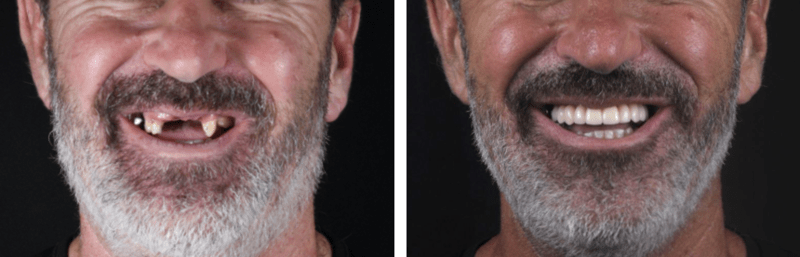
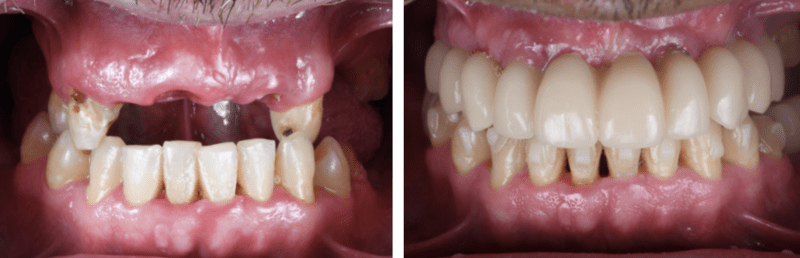
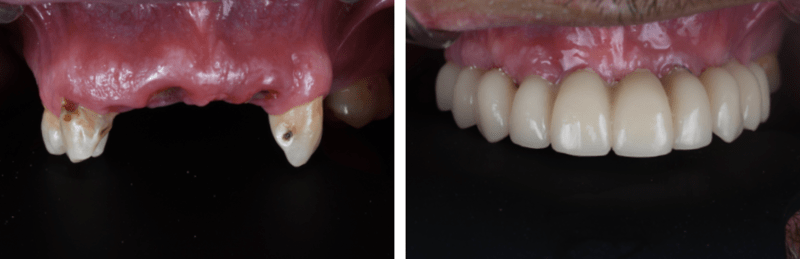
A total of 56 patients received 432 implants and 72 immediate fixed complete-arch provisional prostheses manufactured entirely through a digital workflow, including intraoral scanning, CBCT integration, and CAD/CAM milling of PMMA. Patients were followed for three months to evaluate implant survival, prosthesis survival, marginal bone loss, and patient-reported outcomes using the Oral Health Impact Profile (OHIP-14). The protocol emphasized passive fit, controlled occlusion, and elimination of cantilevers to reduce biomechanical stress during osseointegration.
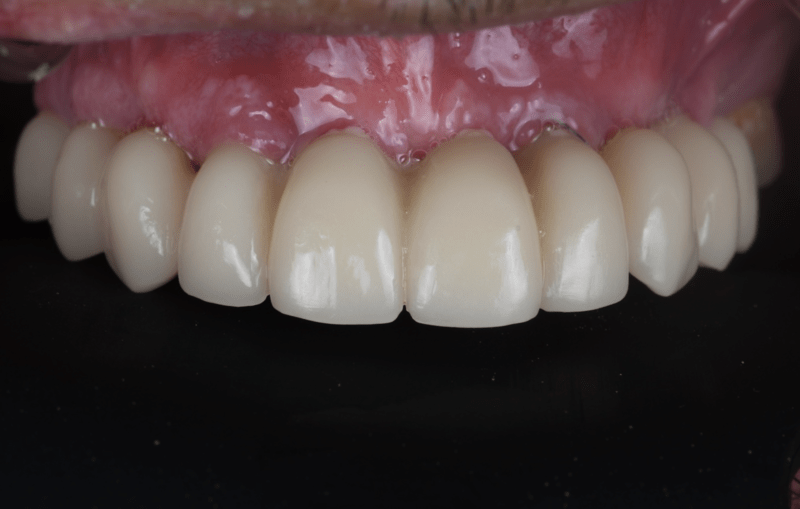
The results demonstrated a very high clinical success rate, with a 99.5% implant survival rate and a 100% prosthesis survival rate over the three-month period. Marginal bone loss remained low and within clinically acceptable limits, although higher values were observed in male patients and older smokers. No catastrophic prosthetic complications were reported. Additionally, patient-reported outcomes showed significant improvements in quality of life, particularly in functional, psychological, and social domains following treatment.
The authors conclude that milled PMMA is a reliable and effective provisional material for immediate-loading, complete-arch implant rehabilitations when used within a fully digital workflow. Its favorable mechanical properties, biocompatibility, esthetic performance, and rapid fabrication make it a predictable option during the healing phase. While longer-term follow-up is needed, the findings support the integration of PMMA and digital workflows as a safe and patient-centered approach in contemporary implant dentistry.